
Coin Laundry Guide · Updated 2026
Your Complete Guide to Using Coin Laundry in the UK
If you've been searching for “coin laundry” while in the UK, you're not alone. Thousands of people look it up each month, usually discovering that the British equivalent is a launderette (or laundrette). Whether you're an international student, an expat, or simply someone who learned the American term first, this guide covers everything you need to know.
What is Coin Laundry? UK vs US Terminology
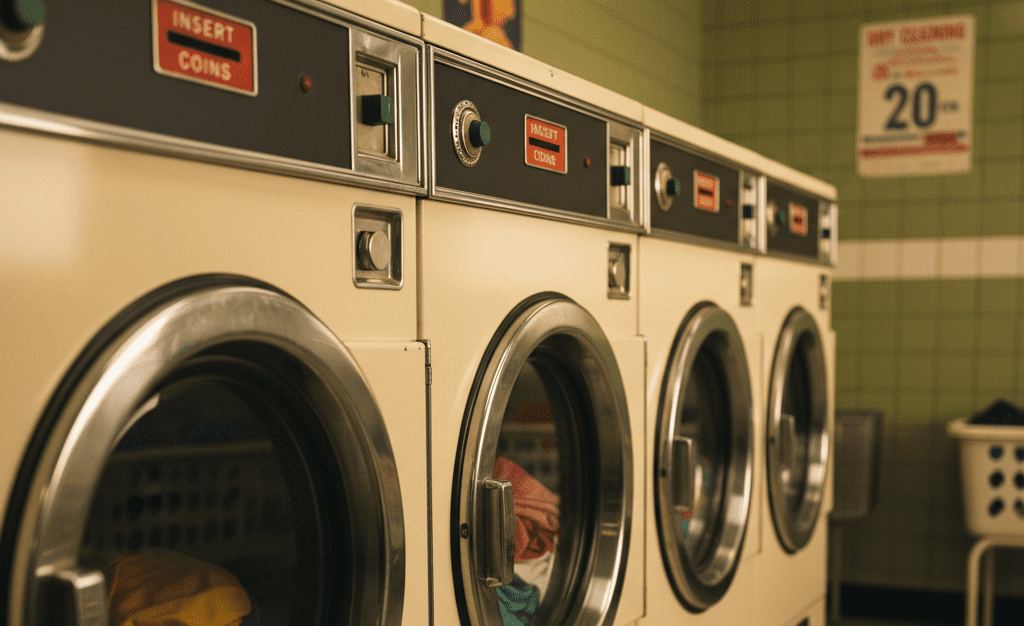
The term “coin laundry” comes from the United States, where self-service laundromats originated in the 1930s. In Britain, we call these facilities launderettes or laundrettes. They're exactly the same thing: pay-per-use washing facilities where you wash and dry your own clothes using commercial machines.
The “coin laundry” search term is growing in popularity across the UK. This reflects both American cultural influence and the international makeup of British cities, where people from different countries use different terms for the same service.
Why It's Called “Coin Laundry”
These facilities earned their “coin-operated” name because customers originally inserted coins into machines to activate washers and dryers. You'd carry a pocketful of 20p and 50p pieces to get your washing done. But here's the interesting part: the industry is gradually moving beyond coins alone. Cards, contactless payments, and mobile apps are now common. The name stuck even as the technology evolved.
How Does Coin Laundry Work in the UK?
Never used a launderette before? Here's what happens:
- Find a launderette (use our directory to locate one)
- Check opening hours (some offer 24-hour access)
- Bring your laundry and supplies
- Choose your machine based on load size
- Pay and start the cycle
- Wait 30–45 minutes (or run errands nearby)
- Dry your clothes if needed
Total time from start to finish: about 60 to 90 minutes.
What Machines Are Available
| Machine Type | Capacity | Best For | Cost |
|---|---|---|---|
| Standard washer | 7–9kg | Weekly clothes for 1–2 people | £3.50–£5.50 |
| Large washer | 12–18kg | Bedding, family loads | £6–£10 |
| Extra-large | 18kg+ | Duvets, winter coats | £8–£15 |
| Tumble dryer | Various | All loads (per 15 min) | £1–£2 |
Do You Really Need Coins?
While “coin laundry” traditionally means coin-only payment, UK launderettes now offer different options. Our directory data shows that 65% of UK launderettes accept coins and cash — making traditional coin operation still the dominant payment method. These facilities accept 20p, 50p, £1, and sometimes £2 coins, with some locations also issuing tokens.
Modern payment technology is steadily growing. An increasing number of launderettes now accept contactless cards and mobile devices, offer mobile apps with machine booking and cycle notifications, or use pre-paid cards similar to transport cards. Some facilities offer modern payment exclusively, while others provide both coins and contactless options.
Before visiting a new location, check our directory where you can filter for traditional coin-operated launderettes or search all facilities and filter by payment preference.
Coin Laundry Prices in the UK (2026)
Typical Washing Costs
- Standard wash (7–9kg): £3.50–£5.50
- Large load (12–18kg): £6–£10
- Extra-large / duvet wash: £8–£15
Factors affecting price include your location (London costs more than rural areas), machine size, and wash programme type (economy vs intensive cycles).
Drying Costs
- Per cycle: £1–£2 (usually 10–15 minutes)
- Most items need: 2–3 cycles
- Total drying cost: £3–£6
Tip: Use the highest spin speed on your washing machine before the dryer to extract more water. This can significantly reduce drying time and cost.
Service Wash vs Self-Service
- Service wash: Staff wash, dry, and fold for you. Costs £1.50–£3 per kilogram (roughly £10–£20 for an 8kg load). About double self-service, but you save 60–90 minutes of waiting.
- Self-service: You do everything yourself. Costs £7–£12 for a complete wash-and-dry visit.
Finding the Best Coin Laundry Near You
Not all launderettes are created equal. When choosing a facility, consider:
- Location and accessibility: Can you reach it easily? Is there parking or good public transport?
- Opening hours: Traditional launderettes operate 7am–9pm, but 24-hour facilities are growing, particularly in university cities.
- Machine variety: Do they have large-capacity machines if you need to wash duvets?
- Payment methods: Can you pay the way you prefer? Check before making the trip.
- Facilities: Free WiFi, comfortable seating, and clean toilets all improve the experience.
- Security: For 24-hour locations, look for adequate lighting, CCTV, and staff presence during operating hours.
Tips for Using Coin Laundry Like a Pro
What to Bring
- Laundry detergent: The most commonly forgotten item. Vending machine pods cost £1.50–£2; buying a bottle works out at 15–20p per wash.
- Coins or card: For coin-operated machines, carry £8–£12 in mixed coins. Even at card-payment facilities, carrying £5–£10 in coins as backup is smart — readers occasionally malfunction.
- Laundry bag or basket: Protects clean clothes and makes carrying heavy items manageable.
- Entertainment: A book, tablet, or charged smartphone helps pass the time. Many facilities offer free WiFi.
Peak vs Off-Peak Times
UK launderettes follow predictable demand patterns:
- Busiest: Weekend mornings (9am–noon), Sunday afternoons (2–6pm), start of student terms
- Quietest: Weekday late mornings (10am–noon), early afternoons (1–3pm), late evenings at 24-hour locations
Special Uses for Coin Laundry
Commercial machines handle situations where domestic equipment fails:
- Duvets and comforters: Doubles, kings, and super-kings require commercial equipment. Winter duvets with 10.5+ tog ratings become particularly bulky when wet.
- Winter coats and heavy jackets: Down jackets, wool coats, and padded jackets benefit from professional-grade capacity.
- Curtains and blankets: Bringing these items once or twice yearly refreshes room appearance dramatically.
- Moving house: Wash curtains, bedding, and clothes before packing. Many people also wash items upon arrival at a new home.
Emergency Situations
- Broken washing machine with a drum full of soaking clothes
- Flooded home or burst pipe leaving you without functioning appliances
- Boiler failure meaning no hot water
- Large unexpected messes requiring multiple loads urgently
24-Hour Coin Laundry Options
Round-the-clock access serves specific needs:
- Shift workers: Nurses, security guards, and hospitality staff work irregular hours and can't rely on 9am–9pm opening times.
- Emergency washing: A flooded home at 11pm needs immediate solutions.
- Avoid crowds: Visit at 2am when facilities are completely empty.
- Students: Late-night study breaks make laundry time efficient.
24-hour facilities are more common in major cities like London, Manchester, and Edinburgh. University areas often have at least one 24-hour option to serve student schedules.
Safety tip: For night visits, look for bright lighting, CCTV coverage, and nearby populated areas. Always tell someone where you're going and park close to the entrance.
Frequently Asked Questions
Can I leave my clothes unattended at a coin laundry?
It depends on the location and time of day. People often leave items in locked washers, but most stay during drying. Staffed sites offer more reassurance.
How long does using a coin laundry take?
Around 60–90 minutes in total: 30–45 minutes washing, 30–45 minutes drying, plus time for folding.
What if I don't have change for the coin laundry?
Many card-only machines remove the need for coins. Some places have change machines or staffed counters. Always check the directory listing for payment method before you travel.
Do I need detergent at a coin laundry?
Usually yes. Launderettes often sell pods at the machine, but bringing your own saves money. Many modern machines include detergent automatically — check before you go.
Are coin laundries (launderettes) hygienic?
Most facilities keep good standards. Machines rinse themselves between cycles, and many run automatic cleaning cycles daily.