

Renting & Rights · Updated 2026
Renting a Flat With No Washing Machine: Your Complete Laundry Options (UK 2026)
You've moved in. The kitchen is smaller than the listing photos suggested. And there, in the corner where a washing machine should be: a gap. Here is what you can do, what your rights actually are, and how to stop your laundry pile achieving sentience.
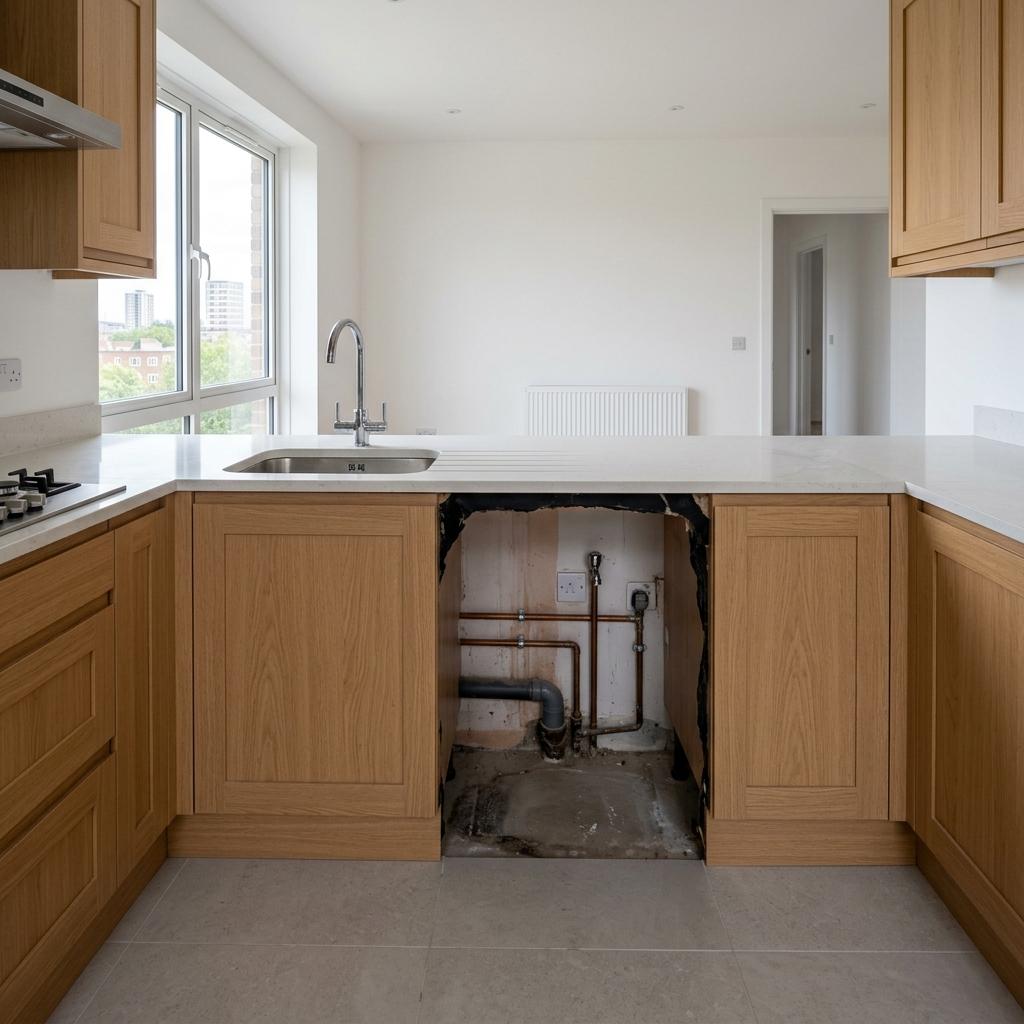
Does Your Landlord Have to Provide a Washing Machine?
The short answer is no. UK landlords have no legal obligation to provide a washing machine in a rented property, whether it's furnished or unfurnished. This applies regardless of whether the Renters' Rights Act 2026 — which came into force in May 2026 — has updated the tenancy framework in other areas.
The only appliance that landlords are required to provide under the Housing Health and Safety Rating System (HHSRS) is a cooker or hob. White goods — washing machines, dishwashers, fridges — are entirely at the landlord's discretion.
The Renters' Rights Act 2026 does require properties to be “fit for human habitation,” but access to a washing machine has not been defined as part of that standard. A landlord without a machine in their property is not in breach of this requirement.
TipThis means that if you're viewing a flat and washing machine access matters to you, it's worth asking directly — and getting any agreement in writing before you sign.
If There Is a Machine Listed — and It's Broken
This is a different situation entirely, and it's where your rights are considerably stronger.
If a washing machine is included in your tenancy agreement inventory, it is the landlord's responsibility to repair or replace it if it breaks down — providing the damage wasn't caused by you. This is covered under Section 11 of the Landlord and Tenant Act 1985, and confirmed by both Citizens Advice and the NRLA.
There's no fixed legal timescale for repair, but landlords are required to act “within a reasonable time.” For a washing machine, a reasonable expectation would generally be one to two weeks — not months. If your landlord is dragging their feet, contact them in writing (email is fine — it creates a record), keep copies, and if they continue to delay, Citizens Advice can advise on next steps.
ImportantDo not withhold rent over a broken or missing washing machine. This would constitute a breach of your tenancy agreement and could trigger Section 8 eviction proceedings, regardless of how justified you feel. Contact Citizens Advice instead.
For a full breakdown of repair rights when a machine is in the inventory, see our guide: My landlord's washing machine broke: your rights.
Your Four Laundry Options Without a Machine
If you don't have a washing machine and your landlord isn't providing one, here's what you're actually working with.
Did you know?Most people default to option 4 (collection service) without realising options 1 and 2 cost a fraction of the price and cover exactly the same items.
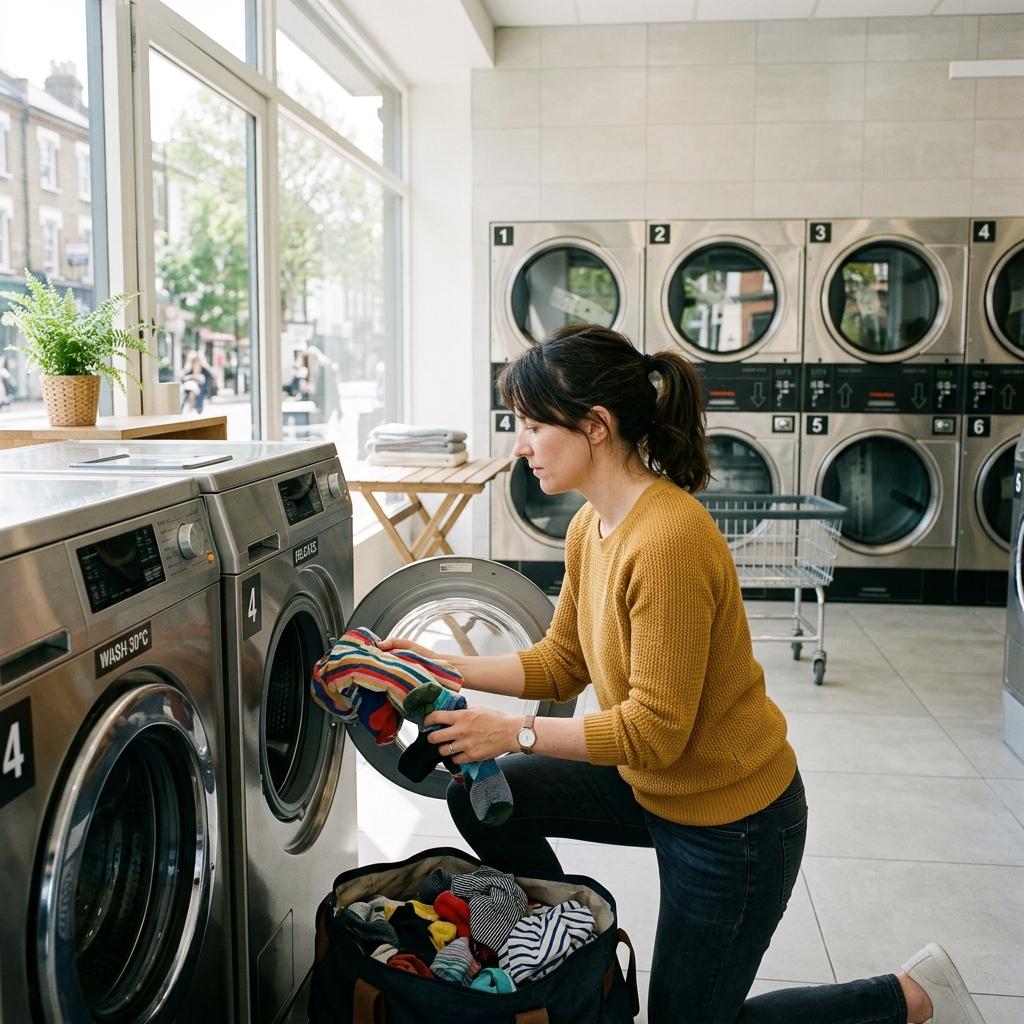
1. Self-Service Launderette
The most practical, most affordable, and — once you've done it once — genuinely not complicated option. You bring your laundry, put it in a commercial machine, come back in 30–40 minutes, and leave.
Self-service launderettes typically charge £3–5 for a wash and £1.50–2.50 for a dryer cycle (20–30 minutes). A full visit — wash, dry, done — runs £8–14 for a standard load. Commercial machines run at higher temperatures and higher spin speeds than domestic appliances, which means things genuinely come out cleaner and drier than home washing often manages.
The other advantage: a self-service launderette has machines ranging from 7kg to 35kg+. The 35kg drum is the one that means you can wash a duvet, a sleeping bag, a week of work clothes, and a gym kit in a single trip. No domestic machine matches that.
2. Service Wash Drop-Off
You hand your laundry over and come back for it later — washed, dried, and folded. No time spent waiting. Some launderettes do this same day, most offer it next day.
Cost: typically £1.50–£3 per kilogram, or £10–20 per bag depending on the launderette. For a regular weekly load of around 5–6kg, expect to pay £15–22. It's more expensive than doing it yourself, but considerably cheaper than a collection service, and the turnaround is quick.
Service wash is the practical choice for people who have the budget but not the time. It's also particularly useful if you're between moves and living out of a bag.
3. Portable Mini Washing Machine
This category gets recommended frequently online, so it's worth being honest about it.
Portable washing machines — the kind that connect to a kitchen tap and drain into a sink — are real, and they do work. They cost between £50 and £200 and are useful for light daily wear: underwear, socks, a T-shirt or two.
What they won't handle: anything over about 2–3kg per load. A single pair of jeans is close to that limit. A week's laundry, a towel, any kind of bedding: none of these are going in a portable machine. If you're renting a studio with no space for a full-size machine and do very light laundry, a portable might supplement an occasional launderette trip. It is not a replacement for a full machine.
4. Laundry Collection Service
Collection services (Laundrapp, local providers, and the collection arms of some dry cleaners) pick up your laundry, wash and dry it at a facility, and return it.
Cost: typically £20–35 per bag, including collection and delivery. This is the most convenient option by a significant margin, and the most expensive. At weekly frequency, it costs considerably more annually than the launderette alternative.
It's worth being clear-eyed: if you can carry your laundry to a launderette, you'll save money. Collection services are for people whose time constraint is severe enough that the premium makes sense, or for one-off large loads.
Cost Comparison: All Four Options
| Option | Cost per load | Suitable for | Turnaround | Convenience |
|---|---|---|---|---|
| Self-service launderette | £8–14 | Everything, including bulky items | 60–90 mins (you wait) | Medium — you travel there |
| Service wash drop-off | £10–20/bag (~5–6kg) | Everything except delicates | Same or next day | High — drop and collect |
| Portable mini machine | Electricity only (~5p) | Light daily wear only (2–3kg max) | 45–60 mins | Very high — at home |
| Laundry collection service | £20–35/bag | Everything | 24–48 hrs | Highest — no travel |
Annual cost comparison (1 wash per week):
- Self-service launderette: ~£520–728/year
- Service wash: ~£780–1,144/year
- Laundry collection service: ~£1,040–1,820/year
- Home machine running costs once installed: ~£56/year (electricity and detergent only, excluding machine purchase)
Home washing is cheaper for regular users once you have the machine. This article isn't going to pretend otherwise. The launderette is the best option when you don't have a machine — not because it costs nothing, but because it costs considerably less than collection alternatives and handles everything a domestic machine can't.
Can You Negotiate With Your Landlord to Provide One?
Yes, and it's more often worth asking than people realise.
Landlords who are comfortable with long-term tenants often see appliances as a reasonable request, particularly if the flat is otherwise unfurnished. The most effective way to raise it is in writing, framing it as a practical matter rather than a demand: you're planning to stay long-term, you'd like to discuss whether a washing machine could be added, and you're happy to discuss how that factors into the tenancy arrangement.
A few things that help your case: a fixed tenancy renewal in prospect, a track record of paying on time, and being specific about what you're asking for (you're not asking for a new Miele; a basic freestanding machine is around £300 new).
If the landlord agrees, get it documented in a tenancy addendum — including who is responsible for maintenance if it breaks.
The Duvet Exception (Even With a Machine Eventually)
If you acquire a washing machine — whether through negotiation, a new flat, or a relationship — a launderette still has a role. Standard domestic washing machines handle 7–10kg. A double duvet weighs around 3–4kg dry, but fills a drum completely and needs room to move to wash properly. Most domestic machines simply can't do it.
A launderette with 12–18kg machines does it in one cycle. This is why self-service launderettes continue to be useful even for households that have a machine. Duvets, sleeping bags, heavy curtains, and large blankets all fall into the “machine technically fits it but shouldn't” category.
Pro TipA launderette's 18kg machine washes a king-size duvet in one go. Most domestic 8–9kg machines should not attempt it — the drum needs empty space to agitate properly.
A Note for Students
If you're at university and navigating shared facilities, unresponsive landlords, and a laundry budget measured in loose change — our student laundry survival guide covers the full picture: cost comparisons for in-hall machines vs launderette vs home during holidays, step-by-step guide for first-timers, and the duvet/large-item question in more detail.
Find Your Nearest Launderette
Whether you need a quick spin wash or a machine big enough for your entire wardrobe (and the duvet you've been avoiding for six months), there's a launderette near you.
Frequently Asked Questions
Do UK landlords have to provide a washing machine?
No. There is no legal requirement for landlords to provide a washing machine in the UK, whether the property is furnished or unfurnished. The only appliance required under housing regulations is a cooker or hob. If a machine is included in the tenancy agreement inventory and breaks, the landlord is then responsible for repair or replacement.
Does a flat have to have a washing machine?
No — there is no requirement for a flat to include a washing machine. This applies to both furnished and unfurnished properties. You can request one from your landlord, but they are not obliged to provide it.
How long does a landlord have to fix a washing machine in the UK?
There is no fixed legal timescale, but landlords must act within a reasonable time. For a washing machine listed in the tenancy inventory, a reasonable expectation would be one to two weeks. If the landlord delays unreasonably, contact Citizens Advice for guidance. Do not withhold rent, as this could lead to eviction proceedings.
How do I do laundry in a flat without a washing machine?
Your main options are: a self-service launderette (cheapest, handles all load sizes including duvets), a service wash drop-off at a launderette (leave the laundry and collect later), a portable mini washing machine (light daily wear only, 2–3kg maximum), or a laundry collection and delivery service (most expensive, most convenient). Self-service launderettes typically cost £8–14 per visit for a standard load.
Can I put a portable washing machine in a rented flat?
Generally yes, provided the machine connects to an existing tap and drains into a sink rather than requiring permanent installation. Check your tenancy agreement for clauses about appliances, and avoid anything requiring drilling or modifying plumbing — that would typically require written landlord consent.